Arctic Scradeway Scader Pontoon

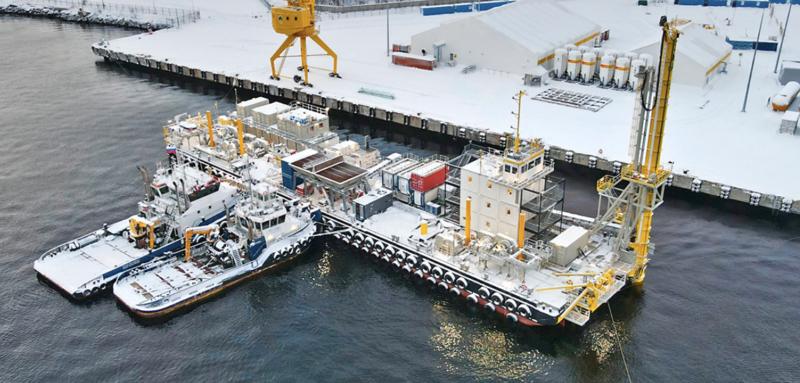
Arctic LNG-2: Commissioning the Arctic Scradeway Scader Pontoon

The Crisis: A Strategic Asset at a Standstill In the spring of 2023, the Arctic LNG-2 project faced a significant technical hurdle. The Arctic Scradeway Scader Pontoon, essential for subsea rock installation, was left unfinished at the pier. Following the exit of Boskalis from the project, the vessel’s complex automation remained in a non-operational state, threatening the timeline of the entire Arctic infrastructure development. The Solution: Reviving the Hardware Layer I joined a specialized team of mathematicians, programmers, and engineers to bring the vessel back to life. My responsibility was the foundational automation and hardware layer. Key engineering tasks included: Winch Control Systems: The pontoon features eight 35-ton constant tension electrically driven mooring winches. I was responsible for commissioning and fine-tuning their control systems for precise rock placement operations. Scrade Tower Integration: The 35m long Scrade tower, working in depths from 13 to 19.5m below the water level, required robust sensor integrity and reliable PLC communication. Hardware Recovery: Troubleshooting and re-configuring the programmable logic controllers and industrial communication protocols that were left without original manufacturer support. The Result: Arctic Operational Success Within a few months, our team transformed the stalled vessel into a reliable industrial tool. The Arctic Scradeway successfully carried out its mission, installing the stone foundations for floating LNG plants in the Arctic. This project proved that even when international support is withdrawn, deep engineering expertise at the hardware level can ensure the success of strategically important missions. “A system without documentation is just a pile of parts.” — In the Arctic, this isn’t just a slogan; it’s a survival rule. We didn’t just fix it; we made it maintainable and reliable. ...

June 1, 2023
Port Automation STS RTG

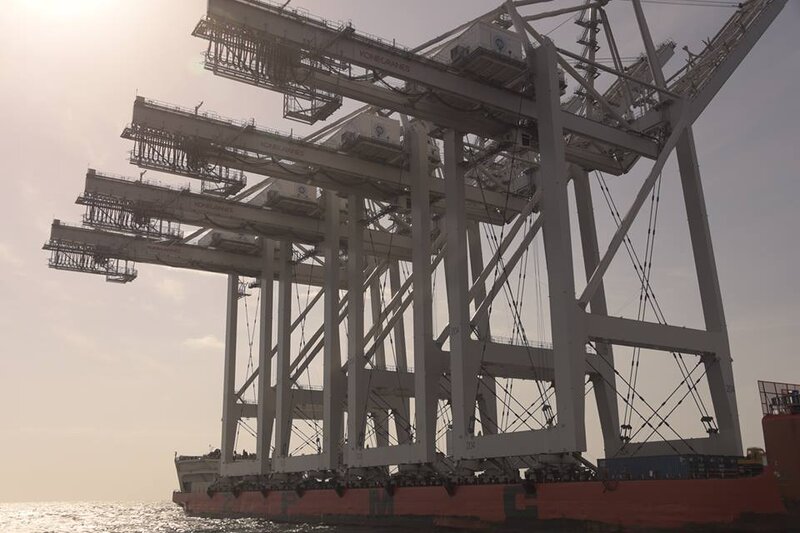
Heavy-Duty Reliability: 12 Years of Port Automation Excellence

The Scale of Responsibility From 2011 to 2022, I served as a Field Service Engineer (FSE) specializing in the automation systems of the world’s largest port machines: STS (Ship-to-Shore) and RTG (Rubber Tired Gantry) cranes. In the world of global logistics, a single hour of downtime can cost thousands of dollars, making reliability the only acceptable standard. Beyond the Corporate Structure My work involved deep troubleshooting, commissioning, and maintaining complex control systems, frequency converters, and safety protocols. However, the true test of engineering integrity came in 2022. When Konecranes exited the local market, the equipment remained, and so did the responsibility for its safe operation. Since 2022, I have continued to support these complex systems independently. Continuity: Ensuring that mission-critical machinery remains operational without factory support. Expertise: Leveraging 12 years of deep internal knowledge to solve “impossible” technical challenges. Independence: Moving from corporate service to high-end independent consulting and support. The Foundation of Aperonix Lab This experience with heavy machinery defines the Aperonix approach. If you can keep a 1,500-ton crane operating safely in a maritime environment for over a decade, you bring that same level of “heavy-duty” thinking to every IoT, VPN, or automation project. Engineering is not just about building; it’s about the long-term survival of the system. This is why I insist on full documentation and hardened solutions. ...

November 1, 2022
Industrial Protocol Integration

Industrial Protocol Integration: GSM to Modbus RTU

The Challenge: Beyond Simple Switching In 2010, the demand for remote management evolved from simple power cycling to complex telemetry. While working with high-end Swedish Swegon ventilation units, I faced a challenge: providing remote access to deep system parameters that weren’t accessible through standard add-ons at the time. The Solution: Bridging GSM and Modbus RTU I developed a solution that allowed my GSM gateway to communicate directly with Swegon’s internal controllers via the Modbus RTU protocol (RS-485). This was more than just a switch; it was an early IoT bridge: Protocol Engineering: I mapped the unit’s internal registers to SMS commands and status reports. Deep Integration: Users could not only start the system but also monitor temperatures, airflows, and sensor data remotely. Reliability: The system maintained the strict industrial standards required for climate control in commercial buildings. Professional Integrity and Innovation This project was implemented during my collaboration with a Swegon dealer. While the specific hardware and proprietary firmware remain with the client, the core achievement was the successful marriage of mobile connectivity and complex industrial protocols. It proved that even “closed” high-end systems can be made more transparent and manageable through smart, reliable opensource-based approaches. This project marked my transition from standalone devices to Industrial IoT, where the quality of communication and data integrity is paramount. ...

June 1, 2010
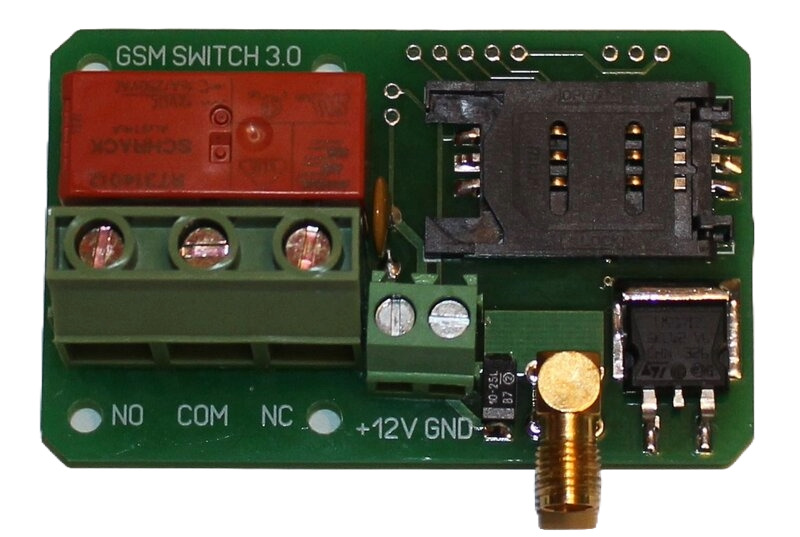
GSM Switch Device

Custom GSM Control Systems: Engineering for Accountability

The Challenge: Remote Management in the Pre-IoT Era From 2006 to 2011, during the rise of mobile connectivity, there was a critical need for simple, fail-safe remote control of large-scale infrastructure. Businesses needed a way to reset power, disable leased equipment (like elevators), or monitor scientific sensors in remote maritime locations without expensive satellite links. The Solution: The GSM Switch Series I developed a line of independent GSM-controlled devices from scratch — from initial concept and PCB design to firmware development and final sales. These devices were built to do one thing perfectly: execute commands via SMS with 100% reliability. ...

September 1, 2007
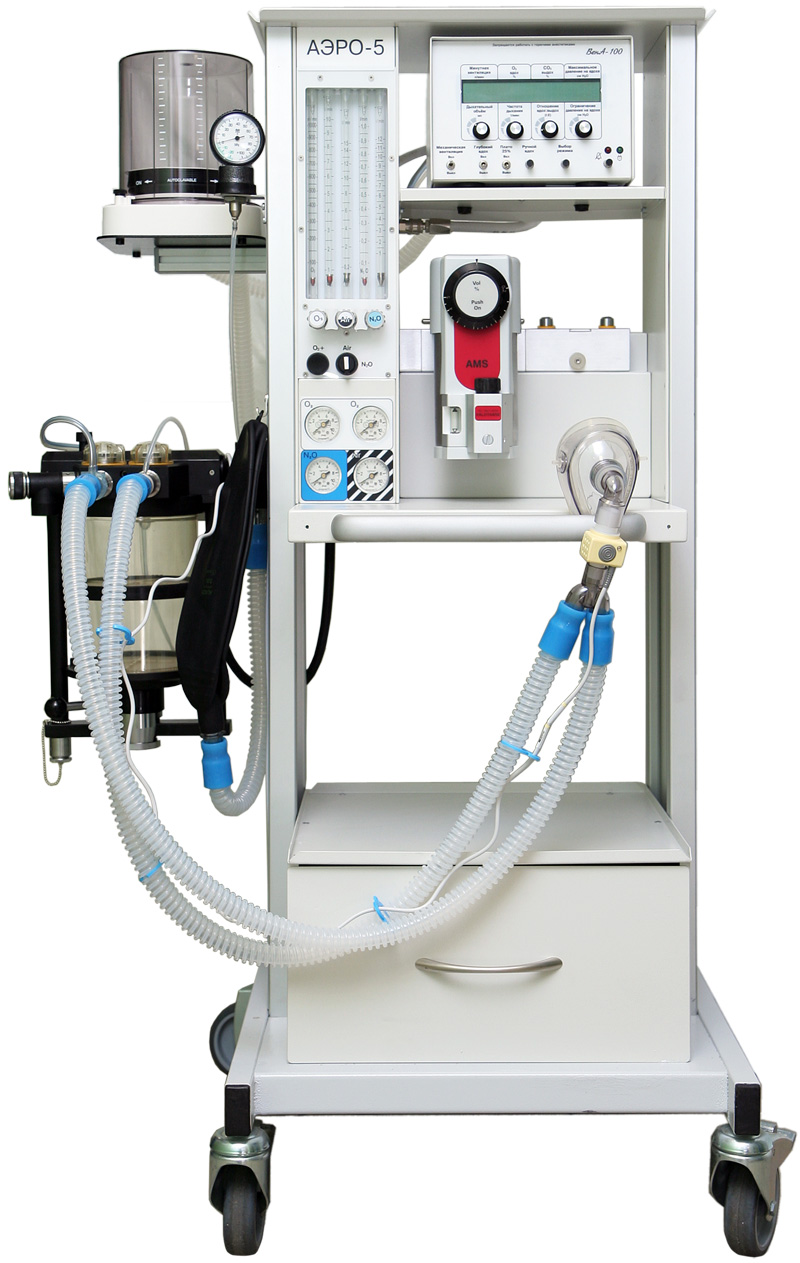
Anesthesia Machine

Medical Device Engineering: Zero-Fault Anesthesia Apparatus

The Challenge: Transition from Analog to Digital In 2002, immediately after university, I joined a team tasked with a critical transition: moving vital anesthesia and respiratory equipment from legacy analog systems to modern digital control. The main hurdle? A complete lack of available libraries, source codes, or accessible documentation for the new hardware. The Reliable Solution: bare-metal 8051 Assembler To guarantee the required precision and fault-tolerance, every line of code was written from scratch using 8051 Assembler for the robust Silabs C8051F120 microcontroller. This choice provided absolute control over the system’s execution and memory management, crucial for life-support machinery. ...

July 1, 2002