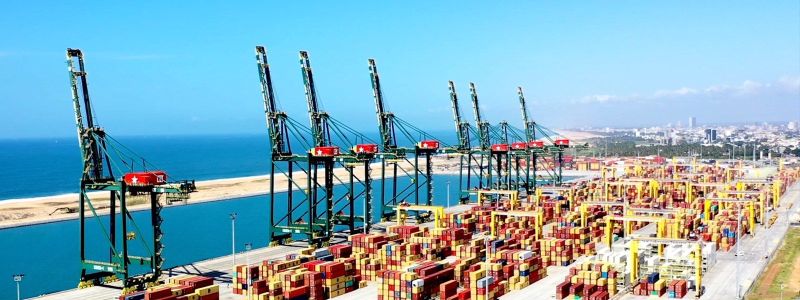
Heavy-Duty Reliability: 12 Years of Port Automation Excellence
The Scale of Responsibility From 2011 to 2022, I served as a Field Service Engineer (FSE) specializing in the automation systems of the world’s largest port machines: STS (Ship-to-Shore) and RTG (Rubber Tired Gantry) cranes. In the world of global logistics, a single hour of downtime can cost thousands of dollars, making reliability the only acceptable standard. Beyond the Corporate Structure My work involved deep troubleshooting, commissioning, and maintaining complex control systems, frequency converters, and safety protocols. However, the true test of engineering integrity came in 2022. When Konecranes exited the local market, the equipment remained, and so did the responsibility for its safe operation. Since 2022, I have continued to support these complex systems independently. Continuity: Ensuring that mission-critical machinery remains operational without factory support. Expertise: Leveraging 12 years of deep internal knowledge to solve “impossible” technical challenges. Independence: Moving from corporate service to high-end independent consulting and support. The Foundation of Aperonix Lab This experience with heavy machinery defines the Aperonix approach. If you can keep a 1,500-ton crane operating safely in a maritime environment for over a decade, you bring that same level of “heavy-duty” thinking to every IoT, VPN, or automation project. Engineering is not just about building; it’s about the long-term survival of the system. This is why I insist on full documentation and hardened solutions. ...